Peak Performance Buoyancy
Observe aquatic life without disturbing their surroundings. Improve the buoyancy skills you learned as a new diver and elevate them to the next level.
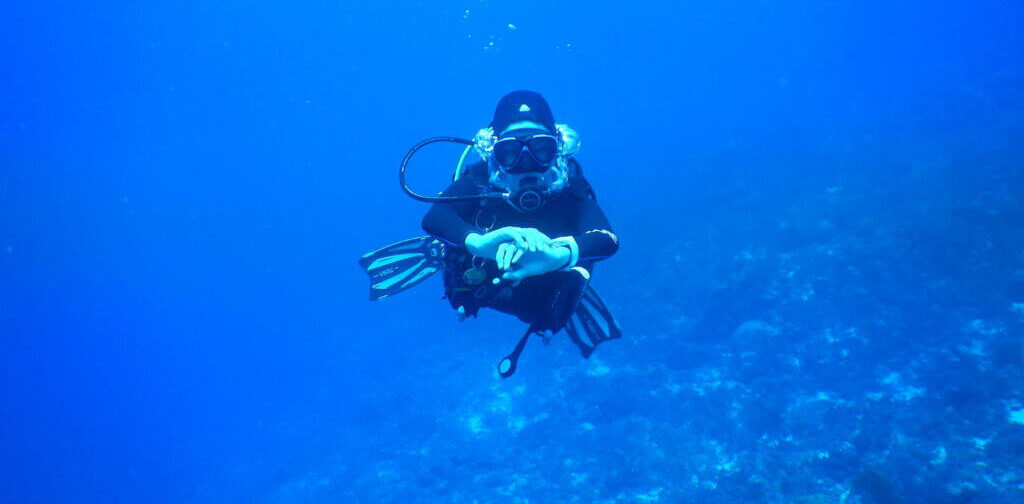
Although diving with a buddy is the norm, there are reasons for an experienced diver to develop self-reliance and independence while diving. Learning to carry out dives without a partner can make you a stronger diver in most dive situations.
With proper training, equipment and the right attitude to accept the risks involved in independent diving, an experience diver can responsibly engage in dives without a buddy.
Self-reliant diving is an adventure activity that is not for everyone, but does have its place. If you have the mental discipline and commitment to learn and follow self-reliant diving techniques, you’ll bolster your skills and confidence when diving alone, in a dive pair or as part of a team.
Besides your basic scuba equipment, you’ll need a DSMB, redundant gas source, redundant dive computer and redundant surface signalling device. A compass, an extra mask and two dive knifes.
Observe aquatic life without disturbing their surroundings. Improve the buoyancy skills you learned as a new diver and elevate them to the next level.
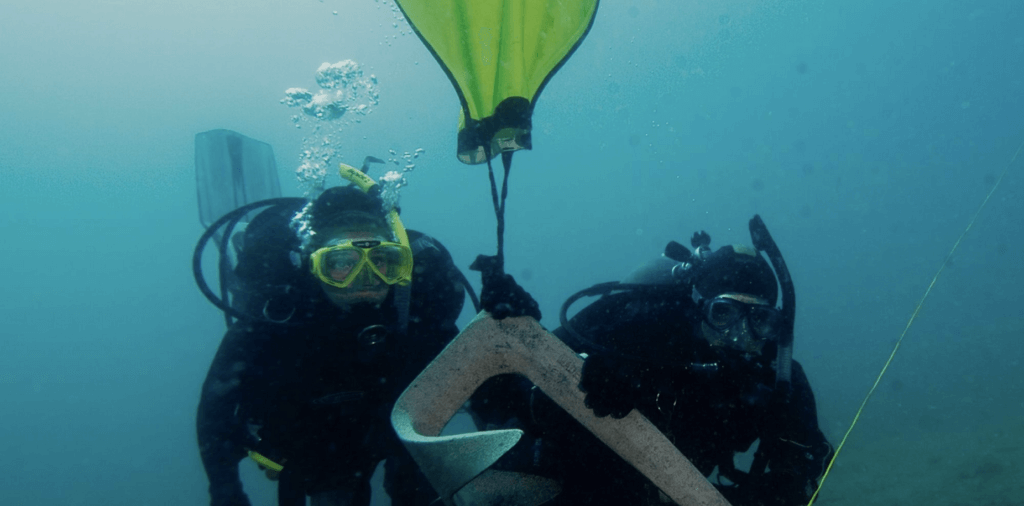
Retrieve lost items that have fallen overboard or over a dock. Learn effective swimming patterns and using a lift bag for heavy objects.
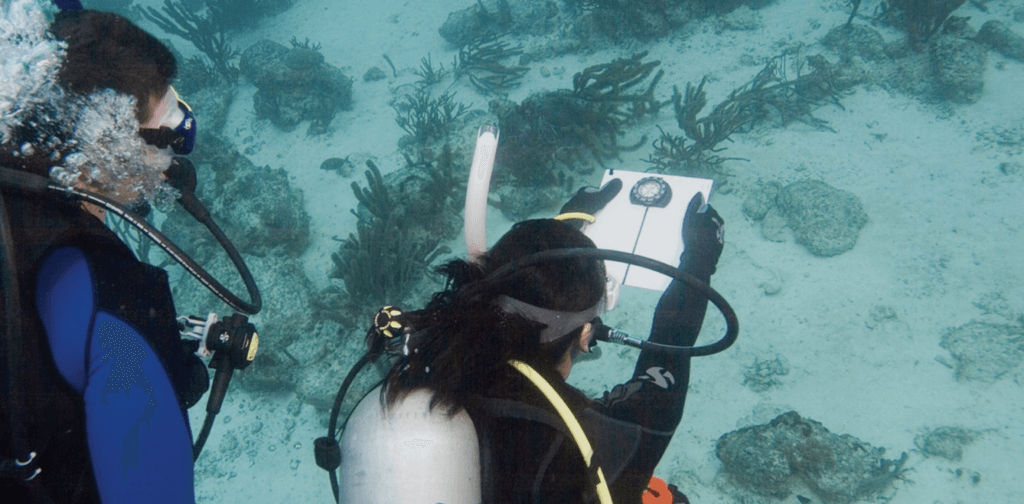
Fine-tune your underwater observation skills and learn to use your compass more accurately.
If you’ve wondered what happens underwater after the sun goes down, sign up for the PADI Night Diver Specialty course.
The popular PADI Wreck Diver Specialty course offers rewarding adventures while observing responsible wreck diving practices.